
Monero vs Bitcoin: Privacy, Supply and Mining Compared


Monero vs Bitcoin comes down to privacy and design. Bitcoin (BTC) records every transaction on a public ledger, with a hard cap of 21 million coins and blocks about every 10 minutes. Monero (XMR) hides the sender, receiver and amount of every transaction by default, adds a block about every 2 minutes, and keeps issuing a small tail emission of 0.6 XMR per block instead of stopping at a fixed cap.
Key takeaways
- Bitcoin is transparent by design: anyone can read the addresses and amounts in every transaction.
- Monero is private by default, using ring signatures, stealth addresses and hidden amounts on every payment.
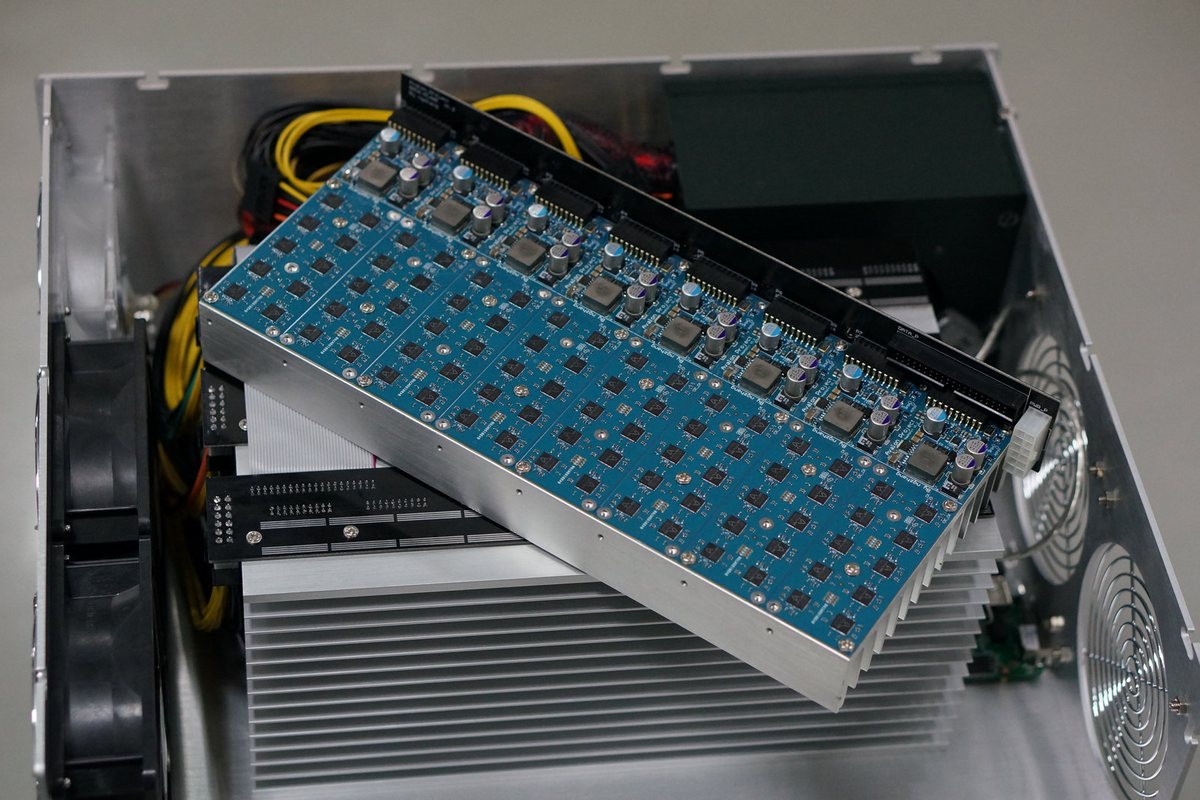
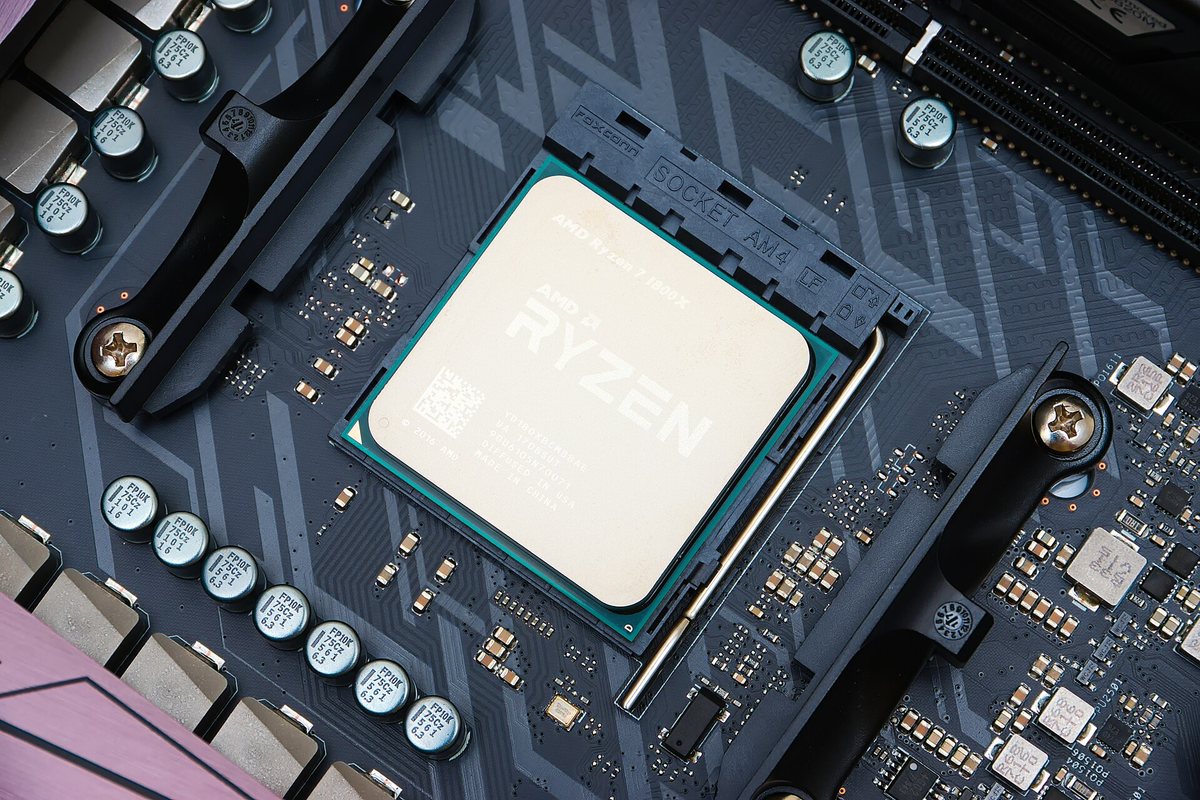
- Bitcoin is mined with specialized hardware; Monero is designed to be mined on ordinary CPUs.
Monero vs Bitcoin at a glance
| Bitcoin (BTC) | Monero (XMR) | |
|---|---|---|
| Transaction privacy | Public ledger; addresses and amounts visible | Sender, receiver and amount hidden by default |
| Hides sender with | Nothing built in | Ring signatures (16 members since August 2022) |
| Hides receiver with | Nothing built in; new addresses recommended | Stealth (one-time) addresses |
| Hides amount with | Nothing built in | RingCT, mandatory since September 2017 |
| Supply | 21 million coins maximum | Tail emission of 0.6 XMR per block since May 2022, no hard cap |
| Block time | About 10 minutes on average | About 2 minutes |
| Mining | Specialized hardware | RandomX, designed for CPUs |
Every row comes from the projects’ own documentation, checked on October 12, 2026.
Is Bitcoin anonymous?
No. The bitcoin.org FAQ states that Bitcoin “is not anonymous and cannot offer the same level of privacy as cash,” and that using it leaves extensive public records. Addresses are strings of characters rather than names, so Bitcoin is better described as pseudonymous. Once an address is tied to a person, through an exchange account or a shared payment request, their past and future payments can be traced.
Satoshi Nakamoto’s original white paper described this model directly: the public can see that someone is sending an amount to someone else, but without information linking the transaction to anyone. The paper suggested a new key pair for each transaction and admitted that some linking is still unavoidable when a payment combines several inputs.
How does Monero keep transactions private?
Monero applies three techniques to every transaction, so privacy is not a setting a user can forget. Ring signatures sign each input together with decoy outputs taken from the blockchain, and the Monero Project says an outside observer cannot tell which signer is real. Stealth addresses make the sender create a one-time address for each payment, so the receiver’s public address never appears on the chain. RingCT hides the amount.
Because every Monero transaction uses the same features, there is no public subset to compare against. If you need to prove a payment, a private view key lets someone see incoming transactions to your wallet without being able to spend. Our guide to privacy coins covers each technique in more detail, and the Zcash vs Monero comparison shows how optional privacy differs.
Supply: fixed cap vs tail emission
Bitcoin will never have more than 21 million coins, and bitcoin.org notes that the number of new coins created is automatically halved over time until issuance stops. Monero chose a different rule. Its block reward stopped falling at the end of May 2022 and now stays at 0.6 XMR per block indefinitely. The Monero Project explains that miners need an incentive to keep securing the network, and the tail emission provides one after the main emission ended.
Mining: specialized hardware vs CPUs
Bitcoin’s FAQ says the only cost-effective way to mine today is with specialized hardware, and that mining with an ordinary computer is no longer practical. Monero uses RandomX, which the Monero Project describes as optimized for CPUs and resistant to ASICs, so a home computer can still take part. If you want to try, our step by step guide explains how to mine Monero with XMRig and P2Pool.
Speed and confirmations
Bitcoin adds a new block about every 10 minutes on average, while Monero targets about 2 minutes. A faster block time means a transaction gets its first confirmation sooner, although exchanges and merchants set their own rules for how many confirmations they wait for on each coin.
Which should you use?
Bitcoin’s transparency is a feature for some users, since anyone can audit the supply and verify payments. Monero suits people who do not want their balances and payment history visible to the public. Exchange access is the main tradeoff: The Block reported that Binance delisted Monero on February 20, 2024, so check where you can buy and withdraw before you choose.
Whichever you hold, keep it in a wallet you control. Our Monero wallet guide covers the official and hardware options, and our list of the best crypto wallets covers Bitcoin. For other privacy options, see the best privacy coins.
FAQ
Is Monero more private than Bitcoin?
Yes. Monero hides the sender, receiver and amount of every transaction by default. Bitcoin records sending addresses, receiving addresses and amounts on a public blockchain that anyone can read.
Is Bitcoin anonymous?
No. The bitcoin.org FAQ says Bitcoin is not anonymous and leaves extensive public records. Addresses are not names, but once an address is linked to a person, their payments can be followed.
Does Monero have a supply cap like Bitcoin?
No. Bitcoin is limited to 21 million coins. Monero reached its tail emission at the end of May 2022 and now adds 0.6 XMR per block with no fixed cap.
Can you mine Monero and Bitcoin with a normal computer?
You can mine Monero with an ordinary CPU because its RandomX algorithm is designed for general purpose processors. Bitcoin mining today is only cost-effective with specialized hardware, according to bitcoin.org.
Which is faster, Monero or Bitcoin?
Monero adds a block about every 2 minutes. Bitcoin adds a block about every 10 minutes on average.
Sources
- Bitcoin.org FAQ and the Bitcoin white paper
- Moneropedia: Ring signatures, Stealth addresses, RingCT and Tail emission
- Monero 0.18.0.0 release notes and Monero Project: Mining
- The Block: Binance to delist Monero, February 6, 2024
Top photo: Shixart1985 / Wikimedia Commons (CC BY 2.0).
