
How to Mine Monero: CPU, XMRig and P2Pool Guide (2026)

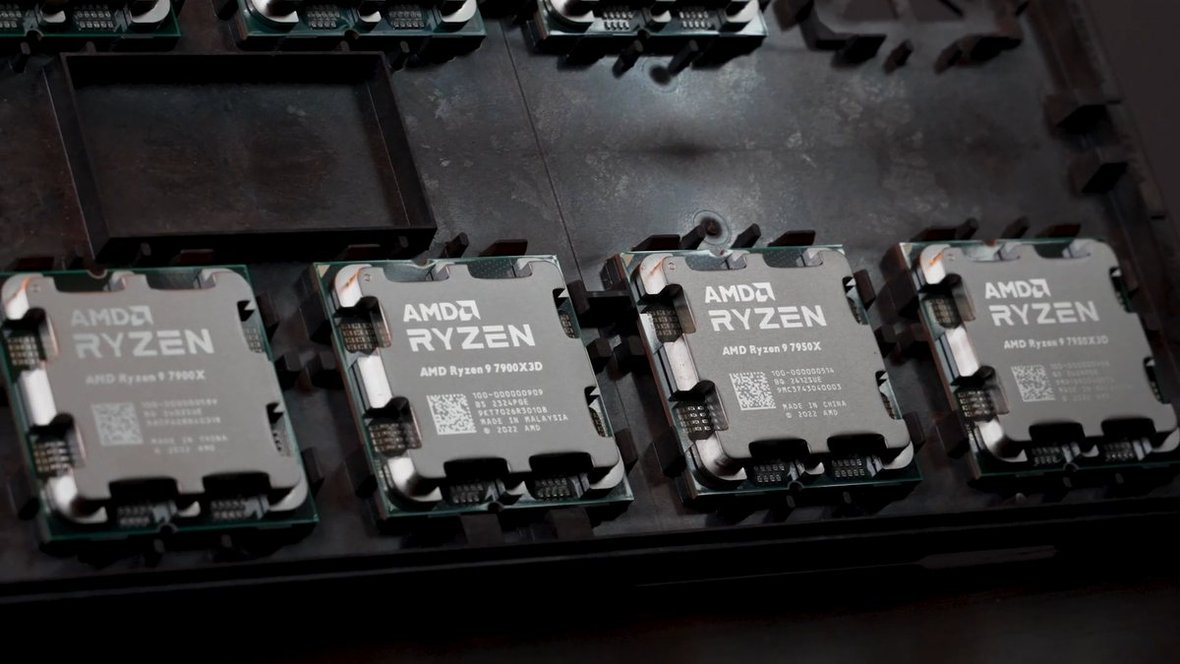
How to mine Monero (XMR) comes down to three things: a Monero wallet address, a mining program such as XMRig, and a way to share work through a pool, the decentralized P2Pool, or solo mining. Monero uses the RandomX algorithm, which is built for ordinary processors, so a desktop CPU is the right tool. At the network hashrate on October 9, 2026, a Ryzen 9 7950X would earn roughly 0.0019 XMR a day before electricity.
Key takeaways
- Monero is mined with RandomX, an algorithm the Monero Project describes as ASIC resistant and optimized for CPUs.
- The usual setup is a wallet, XMRig and either a pool or P2Pool. P2Pool charges a 0% fee and has no pool wallet, so payouts go out to miners directly.
- Earnings are small. Work them out from your hashrate and the network hashrate before you buy hardware or run a machine all day.
What do you need to mine Monero?
You need four things: a computer with a modern CPU, a Monero wallet address to receive payouts, mining software, and a pool or a node to send your work to. Nothing else is required. You do not need a graphics card or special mining hardware.
- Hardware: the Monero Project says Monero can be mined on CPUs and GPUs, and that CPUs are much more efficient.
- Wallet: the official Monero GUI or CLI wallet, or another wallet listed on the official downloads page. Our Monero wallet guide compares them.
- Software: the Monero site lists XMRig and CSminer for pool and GPU mining, and notes that some miners take a developer fee.
- Somewhere to mine: a regular pool, P2Pool, or your own node for solo mining.
Can you mine Monero with a CPU?
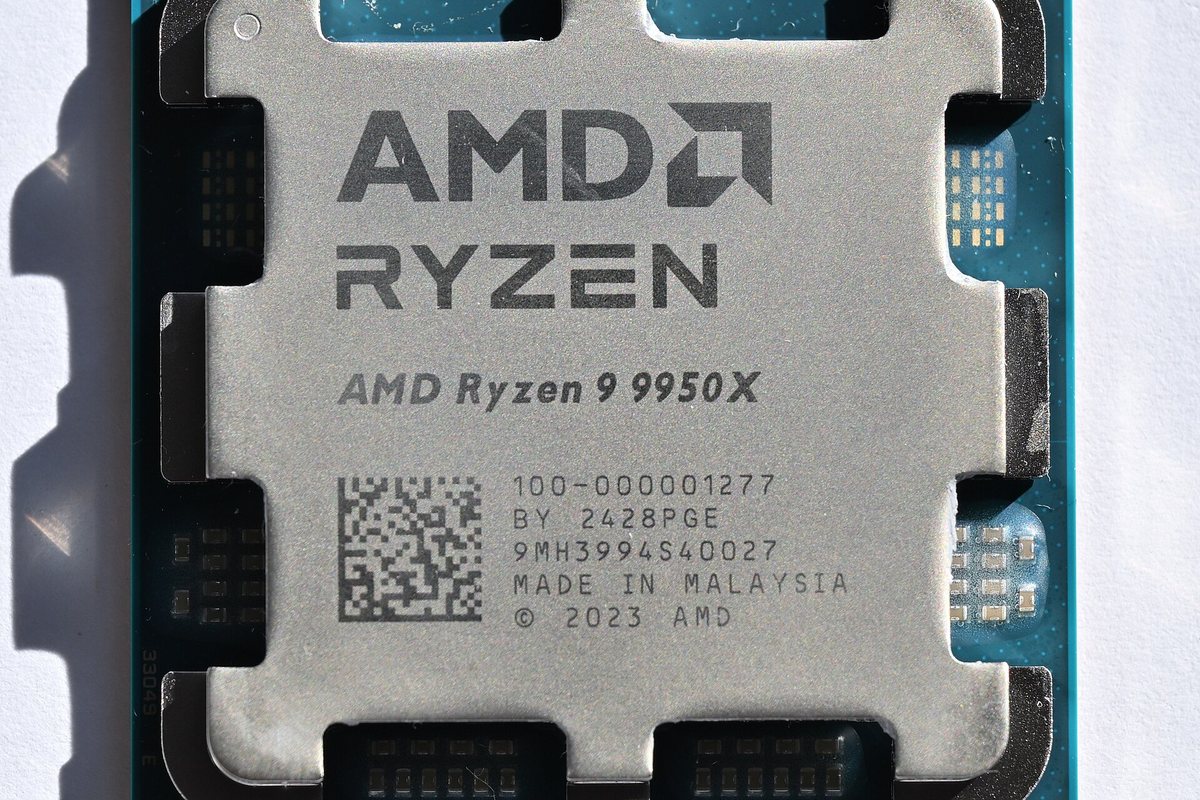
Yes. A CPU is the best choice for Monero. RandomX was adopted in Monero release 0.15 and is designed so that general purpose processors stay competitive, which makes specialized ASIC hardware impractical. The Monero Project also says CPUs are much more efficient than GPUs for this algorithm, so most home miners use the processor they already have.
How much hashrate does a CPU get?
XMRig publishes community benchmarks for RandomX. Average multi-thread results on the benchmark page on October 9, 2026 included:
| CPU | RandomX hashrate (H/s) |
|---|---|
| AMD Ryzen 9 7950X | 26,960 |
| AMD Ryzen 9 5950X | 23,370 |
| AMD Ryzen 7 5800X | 12,445 |
| Intel Core i7-12700K | 10,020 |
| AMD Ryzen 5 5600X | 9,100 |
| Intel Core i5-12400 | 6,238 |
Your own result depends on memory, cooling and settings, so treat these as a rough guide and run the miner yourself.
Pool, P2Pool or solo: which should you use?
For most home miners, P2Pool or a regular pool is the practical choice. Solo mining pays a full block but can take months for one CPU to find a block, which the Monero Project calls a lottery. Pools pay small amounts often. P2Pool does the same without a central operator or a fee.
| Option | Fee | How you get paid | What you run |
|---|---|---|---|
| Solo mining | None | The whole block reward, only when you find a block | Monero GUI or CLI wallet with your own node |
| Regular pool | Set by the pool | Frequent payouts in proportion to your work, sent by the pool operator | XMRig pointed at the pool |
| P2Pool | 0% pool fee, 0 XMR payout fee | PPLNS shares, paid out to miners immediately with no pool wallet | A synced Monero node, P2Pool and XMRig |
The Monero Project warns that any pool holding more than 50% of the network hashrate is a danger to the network. If you use a regular pool, check its share on MiningPoolStats and pick a smaller one.
How to mine Monero with XMRig and a pool
This is the quickest route, and it works on Windows, Linux, macOS and FreeBSD, the platforms XMRig ships official builds for.
- Create a Monero wallet and copy your receiving address.
- Download XMRig from its official site or GitHub releases and unpack it.
- Open
config.json, the file XMRig prefers for settings. In the pools section, seturlto the pool host and port, anduserto your wallet address. Most pools use the user field for the address; some usepassfor a worker name, so check your pool’s instructions. - Turn on huge pages. XMRig’s documentation says huge pages can increase RandomX performance by up to 50%, with 1GB pages adding another 1 to 3%.
- Start XMRig and watch the hashrate it prints, then check your stats on the pool’s website.
XMRig donates 1% of mining time to its developers by default (1 minute in every 100). You can change this with the donate-level option.
How to mine Monero with P2Pool
P2Pool is a decentralized pool that runs as a sidechain to Monero. There is no pool wallet, so the pool never holds your coins, and the minimum payout is about 0.00027 XMR according to the P2Pool project.
- Run the official Monero node software, monerod version 0.18.0.0 or newer, and let it sync. Start it with the
--zmq-puboption, for example--zmq-pub tcp://127.0.0.1:18083, which P2Pool requires. - Download P2Pool version 4.0 or newer and start it with your primary wallet address, the one that starts with 4. Add
--minior--nanoto join one of the smaller sidechains instead of the main one. You cannot use both. - Start XMRig with
-o 127.0.0.1:3333. You do not need your address in XMRig, because P2Pool ignores it. - Open port 18080 for Monero and the P2Pool port for your sidechain (37889 main, 37888 mini, 37890 nano) for better connectivity.
Shares stay in the payout window for up to 2,160 P2Pool blocks, about 6 hours, so payouts keep arriving for a while after you stop. A full node needs disk space: the Monero FAQ put the full blockchain at about 225GB in 2024, or about 86GB pruned.
How much can you earn mining Monero?
Your expected share of new coins equals your hashrate divided by the network hashrate. Monero adds a block about every 2 minutes, which is 720 blocks a day, and each block pays a fixed tail emission of 0.6 XMR plus fees.
On October 9, 2026, the network hashrate was about 6.27 GH/s (6,267,311,145 H/s) according to the moneroblocks.info explorer. Working it through:
| CPU | Share of network | Expected XMR per day | Expected XMR per 30 days |
|---|---|---|---|
| Ryzen 9 7950X (26,960 H/s) | 0.00043% | 0.0019 | 0.056 |
| Ryzen 5 5600X (9,100 H/s) | 0.00015% | 0.0006 | 0.019 |
These are averages before pool fees and electricity, and the figure moves every time the network hashrate changes. To check profit, multiply your machine’s power draw in watts by 24, divide by 1,000 to get kWh per day, and multiply by your electricity rate. Compare that cost with the XMR you expect to earn at today’s price.
Common mistakes to avoid
- Skipping huge pages. XMRig documents up to 50% more RandomX speed with them turned on.
- Using an exchange deposit address. Mine to a wallet you control, and keep your seed offline.
- Downloading miners from random links. Get XMRig and P2Pool from their official sites or GitHub pages only.
- Joining the biggest pool. Concentrated hashrate weakens the network the Monero Project wants to keep decentralized.
If you are new to private coins, start with our overview of the best privacy coins, or compare Monero with other private blockchain networks. For a coin that uses a different algorithm, see our Dogecoin mining guide.
Curious how Monero compares with the other big privacy coin? See Zcash vs Monero.
FAQ
Is it still worth mining Monero in 2026?
It can be if your electricity is cheap or the computer is already running. A Ryzen 9 7950X earned about 0.0019 XMR a day at the October 9, 2026 network hashrate, so the result depends almost entirely on your power cost and the XMR price.
Can I mine Monero on a laptop?
Yes. RandomX runs on ordinary CPUs, so a laptop can mine. Look up your processor on the XMRig benchmark page first to see what hashrate to expect.
Can I mine Monero with a GPU?
XMRig supports AMD GPUs through OpenCL and NVIDIA GPUs through a CUDA plugin, but the Monero Project says CPUs are much more efficient than GPUs for Monero.
What is the best Monero mining pool?
The Monero Project does not endorse any pool. P2Pool is the option it highlights for decentralization, with a 0% fee and direct payouts. If you choose a regular pool, avoid any that controls a large share of the network.
Can I mine Monero from the official wallet?
Yes. The official GUI and CLI wallets can solo mine on the CPU with no extra software. Solo mining pays a whole block, but a single computer may wait months to find one.
Sources
